
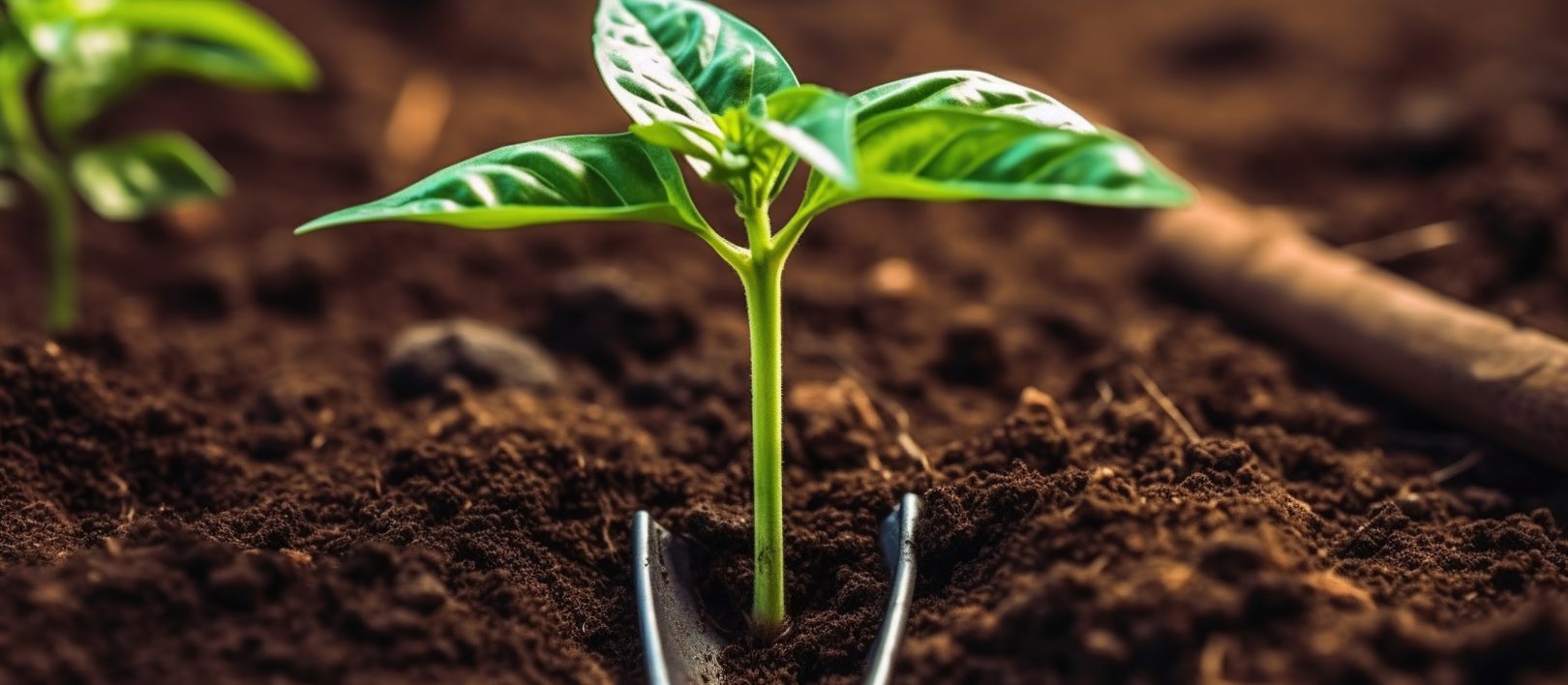
Gmelina arborea (White Teak) is celebrated in agroforestry as a “miracle tree” for its incredibly fast growth and valuable timber. Investors and farmers are often drawn to its potential for quick returns. However, there is a catch: Gmelina is not a cactus, nor is it a mangrove. While adaptable, its growth rate and ultimately your profit margin is inextricably linked to the soil it is planted in.
Planting Gmelina is not a “one-size-fits-all” operation. A strategy that yields a towering timber tree in a fertile river valley may result in a stunted shrub on a sandy hill.
This article articulates the critical importance of soil identification and outlines specific planting strategies targeted at different soil textures to maximize the success of your Gmelina plantation.
Why Soil “Type” Dictates Your Success
Before digging the first hole, it is crucial to understand what soil actually does for the tree. Soil is not just dirt; it is the tree’s anchor, its water reservoir, and its nutrient pantry.
Gmelina is a demanding species. To achieve its famous rapid growth (sometimes several meters in a year), it requires:
- Easy Root Penetration: The soil must be loose enough for roots to spread deep and wide quickly.
- Aeration: Roots need oxygen. Highly compacted or waterlogged soil suffocates them.
- Moisture Availability: It needs consistent moisture but cannot tolerate sitting in stagnant water.
The “type” of soil, defined by the balance of sand, silt, and clay determines how well these three requirements are met.
Scenario 1: The Gold Standard (Loamy and Alluvial Soils)
These are the dream soils for Gmelina. They are usually found in valleys, near riverbanks (alluvial deposits), or in well-managed agricultural land.
Characteristics:
- Texture: A perfect balance of sand, silt, and clay. It feels crumbly, dark, and holds moisture without becoming soggy.
- Why it works: It offers low resistance to root growth, is naturally fertile, and drains freely while retaining enough water for dry spells.
The Planting Strategy: “Maximize Speed”
On these sites, your goal is to get the tree established quickly so it can utilize the abundant resources.
- Site Prep: Minimal land clearing is needed. Avoid heavy machinery that might compact this excellent soil.
- Pit Size: A standard pit of 30cm x 30cm x 30cm is usually sufficient. The surrounding soil is already loose enough for roots to penetrate easily.
- Planting: Place the seedling straight. Backfill with the topsoil that was dug out.
- Maintenance: The biggest challenge here is weeds, which also love fertile soil. Aggressive weeding in the first two years is critical so the Gmelina doesn’t face competition.
Scenario 2: The Heavy Hitters (Clay and Clay-Loam)
Clay soils get a bad reputation, but they can actually support good Gmelina timber density if managed correctly. They are common in many tropical regions.
Characteristics:
- Texture: Heavy, sticky when wet, and cracks into hard blocks when dry.
- The Challenge: Poor aeration and drainage. If a small hole is dug in heavy clay, it can act like a pot, trapping water and drowning the roots. When dry, it becomes like concrete, restricting root spread.
The Planting Strategy: “Amend and Aerate”
The goal here is to break up the compaction around the root ball and improve local drainage.
- Pit Size: You must dig bigger. A pit of at least 50cm x 50cm x 50cm is recommended. This is not for the root ball’s current size, but for its future growth.
- Crucial Step – Amending the Backfill: Do not just put the heavy clay clods back into the hole.
- Mix the excavated clay soil with organic matter (compost, rotted manure) or even some sand if available.
- This creates a looser “micro-environment” around the young roots, allowing them to establish before hitting the harder surrounding clay.
- Timing: Never plant in heavy clay immediately after heavy rain when the soil is sodden.
Scenario 3: The Challenging Terrain (Sandy and Lateritic Soils)
These soils are common in upland areas or degraded lands. Gmelina can survive here, but without intervention, it will likely be stunted and branchy rather than tall and straight.
Characteristics:
- Sandy Soil: Gritty, drains water instantly, and holds very few nutrients.
- Lateritic Soil: Often reddish, acidic, iron-rich, and sometimes rocky or shallow.
- The Challenge: Drought stress and starvation. The tree cannot find enough water or food to sustain rapid vertical growth.
The Planting Strategy: “The Sponge Technique”
Your entire focus must be on water retention and nutrient supplementation.
- Pit Size: Similar to clay, you need a larger pit (50cm x 50cm x 50cm).
- Amending the Backfill: This is vital. You must add significant amounts of organic matter (compost, manure) to the sandy soil before putting it back in the hole. The organic matter acts as a “sponge,” holding moisture near the roots that would otherwise drain away instantly.
- Fertilizer: An initial application of NPK fertilizer at planting time is often necessary on these hungry soils to give the seedling a head start.
- Mulching is Non-Negotiable: You must apply a thick layer of dry grass or leaves around the base of the sapling (leaving space around the stem). This prevents the sun from evaporating the little moisture the soil holds.
The Dealbreaker: Waterlogged Soils
It is vital to recognize where Gmelina will not work.
If an area remains swampy, has standing water for weeks after rain, or has a very shallow water table, do not plant Gmelina there. The roots will rot, and the trees will die back. No amount of pit amendment will fix a fundamentally swampy site for this species.
Summary Table
| Soil Type | Pit Size Strategy | Key Action |
| Loam / Alluvial | Standard (30x30x30cm) | Focus on aggressive weeding to maximize natural growth. |
| Clay / Heavy | Large (50x50x50cm) | Amend backfill to break compaction; ensure drainage. |
| Sandy / Poor | Large (50x50x50cm) | Amend with organic matter to act as a moisture sponge; mulch heavily. |
| Waterlogged | N/A | Do not plant. |
Conclusion
Gmelina arborea is a tremendous asset to forestry, but it is not magic. The difference between a harvest of high-value timber and a field of stunted bushes often lies purely in how the soil was managed at the planting stage. By identifying your soil type and adjusting your pit size and backfilling strategy accordingly, you give your plantation the foundation it needs to thrive.