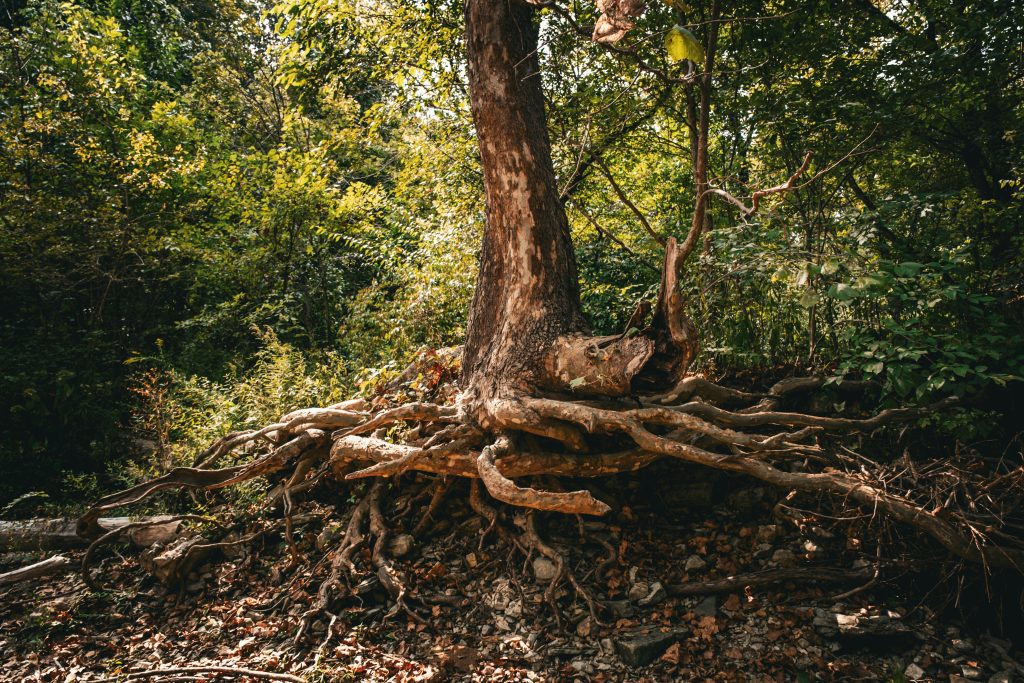
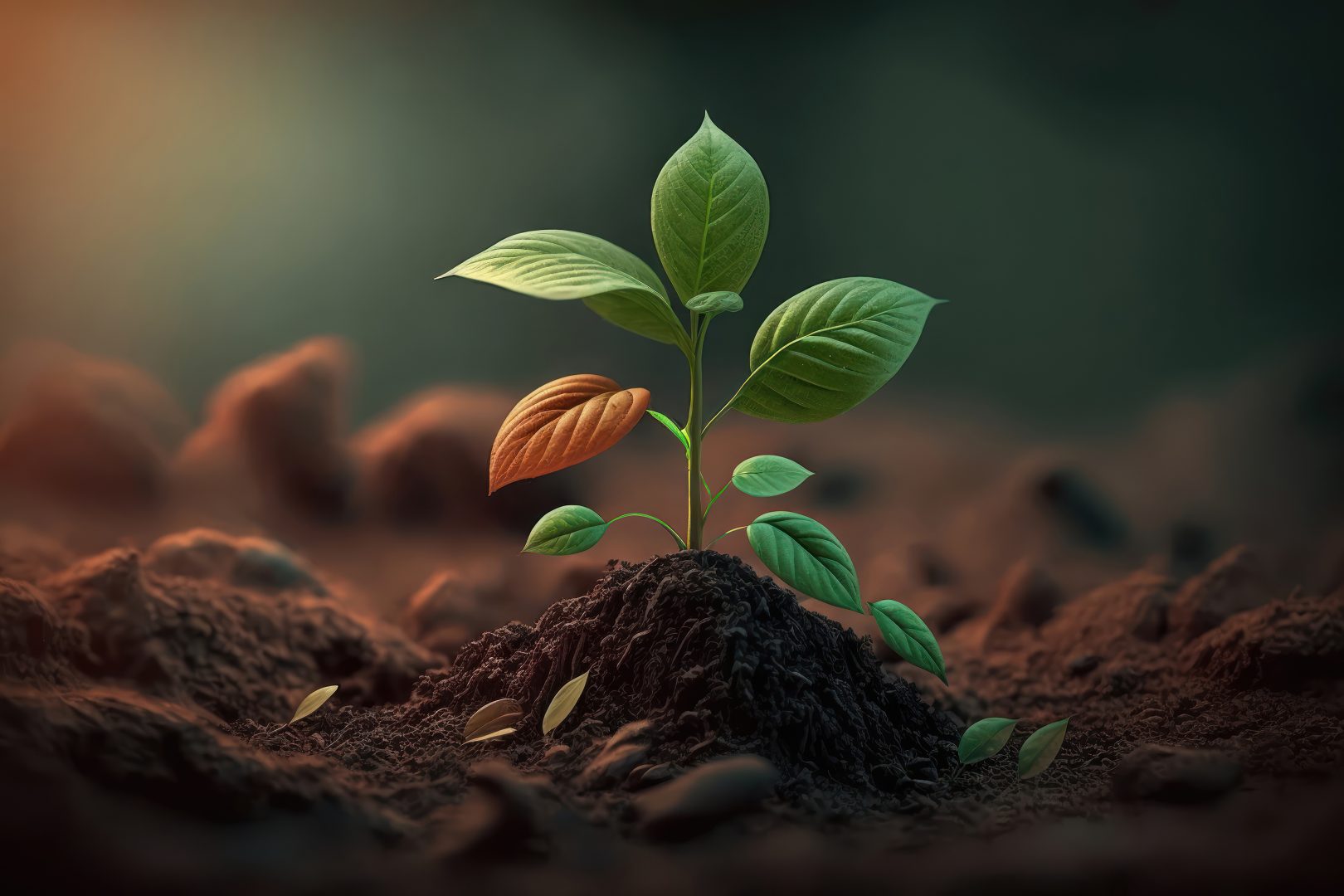
We obsess over seeds, rainfall, and fertiliser. But the most important part of farming is the one we ignore completely: the soil..
You’ve probably walked past a farm and thought nothing of the ground. Brown, flat, unremarkable. Just dirt. But that single square metre of earth beneath a healthy Nigerian farm holds more living organisms than there are people on the entire planet. Bacteria, fungi, earthworms, nematodes, an invisible city working around the clock to turn dead matter into food.
Now here’s the uncomfortable truth: for most of Nigeria’s farmland, that city is being evacuated. Quietly, invisibly, and at a speed that won’t show up in the harvest until one season, suddenly, it does.
For generations, we treated soil the way we treat roads something to be used, not maintained. We assumed the ground would simply keep giving. But at Exploreland Farms, it’s infrastructure. And like any infrastructure left without care, it is slowly, silently failing us.
The Invisible City Under Every Farm
Here’s what most people don’t know: plants don’t actually eat soil. They eat what’s in it. Specifically, they eat the byproducts of millions of microbial transactions happening just beneath the surface. Fungi extend the reach of roots by up to 100 times, ferrying phosphorus and water from places roots could never reach alone. Bacteria break down organic matter into the nitrogen that makes crops green and fast-growing. Earthworms aerate the soil, creating the tiny air pockets that stop roots from suffocating.
Destroy that invisible city through over-tilling, heavy chemical use, or leaving soil bare between seasons and you don’t just lose microbes. You lose the entire system that makes farming possible without endlessly expensive inputs.
Reality Check
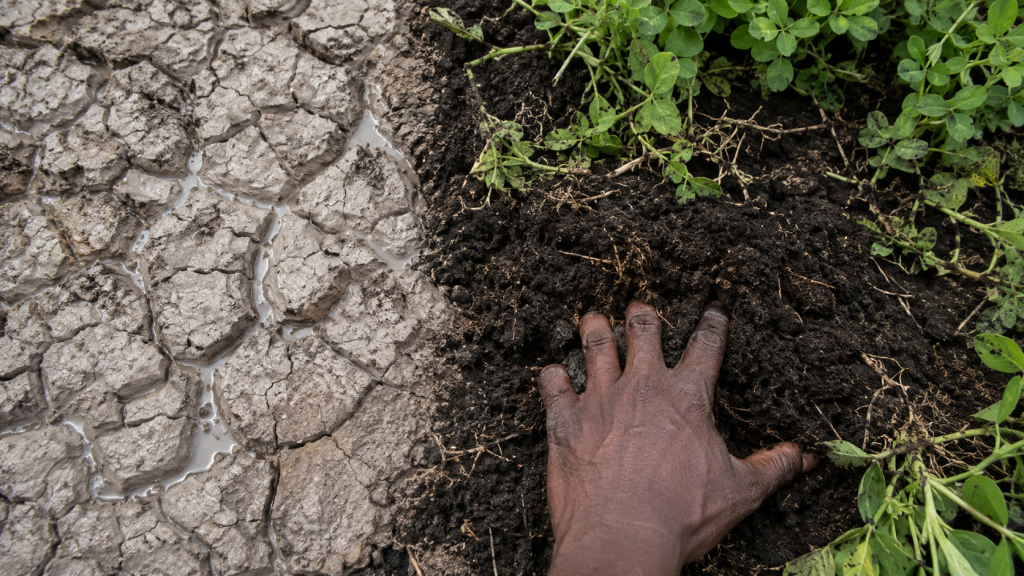
Healthy soil isn’t brown dirt. It’s a living organism. A single teaspoon of rich farmland contains more microbes than there are humans who have ever lived on Earth. When that teaspoon goes quiet, no amount of fertiliser fully replaces what it did for free.
Nigeria’s Quiet Erosion Crisis
Nigeria loses an estimated 3.5 billion tonnes of topsoil every year to erosion, the equivalent of losing thousands of farms’ worth of fertile ground every single year. That’s not a distant environmental statistic that’s the fertile layer that took centuries to form, washing into rivers and gutters during every heavy rainy season. In the South-East alone, gully erosion has already swallowed farmland the size of small towns.
But erosion is just the dramatic, visible version of a deeper problem. The subtler crisis is degradation soil that is still there, still being farmed, but slowly being stripped of its biological life. The culprits are familiar:
- Continuous mono-cropping: Planting the same crop in the same spot season after season starves the soil of the variety it needs to stay biologically active. It’s the agricultural equivalent of eating only bread for five years.
- Over-tilling: Every time a tractor churns the soil deeply, it destroys the fungal networks that take years to build and exposes stored carbon to the air releasing it as CO₂ and leaving the soil lighter, looser, and more vulnerable to the next rain.
- Bare soil between seasons: Leaving farmland exposed with no cover crop is like leaving your skin unprotected in the harmattan. The sun bakes it, the wind strips it, and the rain compacts it into a crust that water can’t penetrate.
The result? Farmers apply more fertiliser to compensate for declining soil health, which further disrupts the microbial balance, which requires even more fertiliser the following season. It is a treadmill expensive, exhausting, and moving in the wrong direction.
The Good News: Soil is one of the few systems we’ve damaged that can actually recover, faster than most people think.
Here is what makes soil remarkable compared to every other piece of degraded infrastructure: it can heal itself if you let it, and if you help it.
The regenerative farming practices quietly spreading across Nigerian agric circles are not complicated or expensive. They are, in many ways, a return to the wisdom that small-scale farmers practised before industrial monoculture arrived and told everyone to do it differently.
- Cover cropping: Planting legumes or grasses between main crop cycles feeds the soil microbes, fixes nitrogen naturally, and keeps the topsoil anchored when the rains arrive.
- Reduced tillage: Letting the earthworms and fungi do the turning rather than the tractor. Counterintuitive, but the data is clear no-till plots in comparable Nigerian climates show significantly higher water retention and lower input costs within three seasons.
- Composting and mulching: Returning organic matter to the soil is not just waste management it is the most direct way to rebuild the biological city that makes everything else possible.
Researchers working with smallholder farms across the Benue and Niger River basins have documented measurable improvements in soil organic matter within as little as three to five years of consistent regenerative practice. Three to five years for something that took centuries to degrade.
Reality Check
Degraded soil doesn’t announce itself. Yields decline slowly 2%, 5%, 8% per season until the farmer assumes it’s the seeds, the rain, or the market. By the time the land looks sick, it has often been sick for a decade.
The Stakes Are Bigger Than One Farm
Soil health isn’t just a farming conversation. It sits at the intersection of everything Nigeria is trying to solve at once food security, import dependency, climate resilience, and rural income.
Healthy soil holds water like a sponge, reducing the devastation of both drought and flood. It sequesters carbon, making every regenerating farm a quiet participant in the global climate effort. And it reduces the input costs that currently make Nigerian smallholder farming one of the most expensive, least profitable forms of food production on the continent.
We have spent years debating seeds, subsidies, and supply chains. All of those conversations matter. But they are happening on top of a foundation that is crumbling beneath our feet sometimes literally.
The most radical thing a Nigerian farm can do right now isn’t adopt the latest drone technology or plant a faster-growing species. It is to stop treating the ground as a tool and start treating it as a partner. Feed the soil first. The soil will feed everything else.
Thank you for reading.