
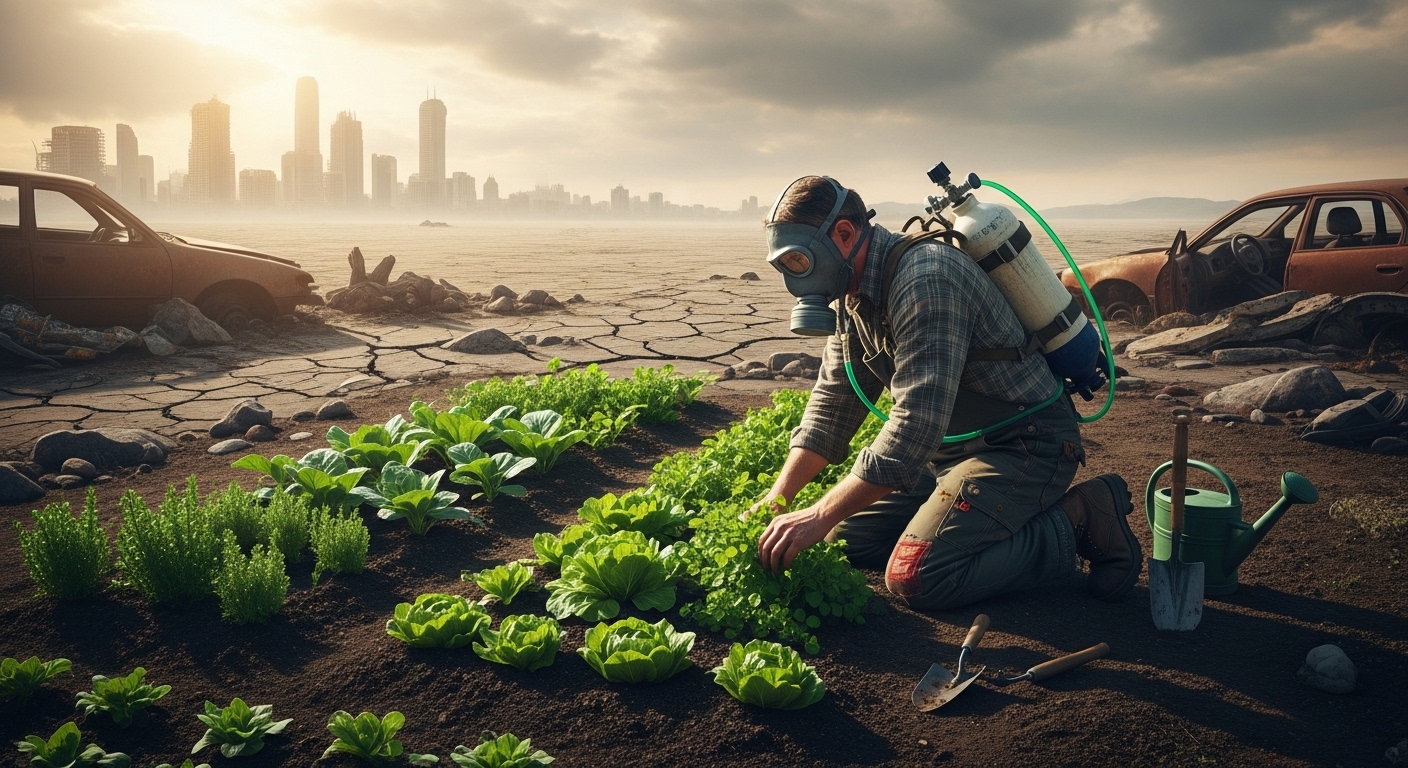
For most of human history, a standing forest was viewed as a “farm waiting to happen.” To our ancestors, dense woods were obstacles to be cleared for the sake of survival. Fast forward to 2026, and the script has flipped. We’ve realized that while we need bread on the table, we also need the “lungs of the planet” to actually breathe.
The conflict between deforestation (clearing land) and afforestation (creating new forests) sits at the heart of our environmental crisis. But there’s a third player in this game: Agriculture. Long blamed as the villain, modern farming is beginning to audition for the role of the hero.
Deforestation: The Carbon Bomb
Deforestation isn’t just about losing pretty trees; it’s about dismantling a global cooling system. When we clear forests primarily for cattle ranching, soy, and palm oil, we aren’t just stopping oxygen production; we are releasing centuries of stored carbon back into the atmosphere.
- Loss of Biodiversity: Over 80% of terrestrial species live in forests. When the trees go, they go.
- Disrupted Water Cycles: Trees act as giant pumps, returning water vapor to the atmosphere. No trees often means no rain for the very farms that replaced them.
- Soil Erosion: Without roots to hold the earth together, nutrient-rich topsoil simply washes away during the first heavy rain.
Afforestation: More Than Just Planting Seedlings
Afforestation is the act of establishing a forest on land that hasn’t been forested for a long time (or ever). While it sounds like a “get out of jail free” card for our carbon emissions, it’s a bit more complex than just throwing seeds at a field.
To be effective, afforestation must focus on biodiversity. Planting a thousand identical pine trees (a monoculture) doesn’t create an ecosystem; it creates a “green desert” that is highly susceptible to disease and fire. True afforestation mimics nature’s messiness.
The Pivot: Can Agriculture Heal the Land?
The traditional view is that you either have a forest or you have a farm. But the most exciting environmental frontier in 2026 is the blurring of those lines. Agriculture is shifting from an extractive industry to a restorative one through three main pillars:
1. Agroforestry: The Middle Ground
Instead of clearing a forest to plant crops, why not plant crops inside or alongside the forest? Agroforestry integrates trees into agricultural landscapes. The trees provide shade, fix nitrogen in the soil, and offer secondary crops (like nuts or fruit), while the ground crops benefit from a more stable microclimate.
2. Regenerative Agriculture
This isn’t your grandfather’s industrial farming. Regenerative practices focus on soil health. By using cover crops, no-till farming, and managed grazing, farmers can actually turn their soil into a carbon sink just like we discussed in our last article. Healthy soil holds more water, requires fewer chemicals, and crucially stops the pressure to clear more forest land because the existing land stays productive longer.
3. Precision & Vertical Farming
By moving high-intensity crop production (like leafy greens) into vertical indoor farms or using AI-driven precision tools to skyrocket yields on existing plots, we can produce more food on less land. This “land sparing” allows us to leave existing forests alone, and even give some land back to nature.
The Verdict: A Synergistic Future
Agriculture doesn’t have to be the enemy of the forest. In fact, if we want to heal the environment, we need farmers to be the primary stewards of the land. We can’t simply wall off the entire planet into “nature” and “human” zones; we have to learn to produce food in a way that mimics the forest’s natural cycles.
The goal isn’t just to stop the bleeding (deforestation) or to apply a bandage (afforestation). The goal is to build a food system that functions like an ecosystem.