Green Gold: Why the Gmelina Tree is the Heartbeat of Exploreland Farms.

At Exploreland Farms, we don’t just see trees as part of the landscape, we see them as the heartbeat of our business. Among all the species we work with, the Gmelina tree often called “White Teak” is our superstar.

It’s a smart investment because it grows incredibly fast and produces high-quality wood that people actually want to buy. By planting Gmelina, we aren’t just farming; we are building a sustainable “green bank” that protects the soil today and provides a big payoff tomorrow.

The Journey of a Gmelina Tree

The lifecycle of a Gmelina tree is a fascinating story of speed and resilience. Here is how it grows from a tiny seed into a valuable asset.

1. Waking Up (The Seed Stage)

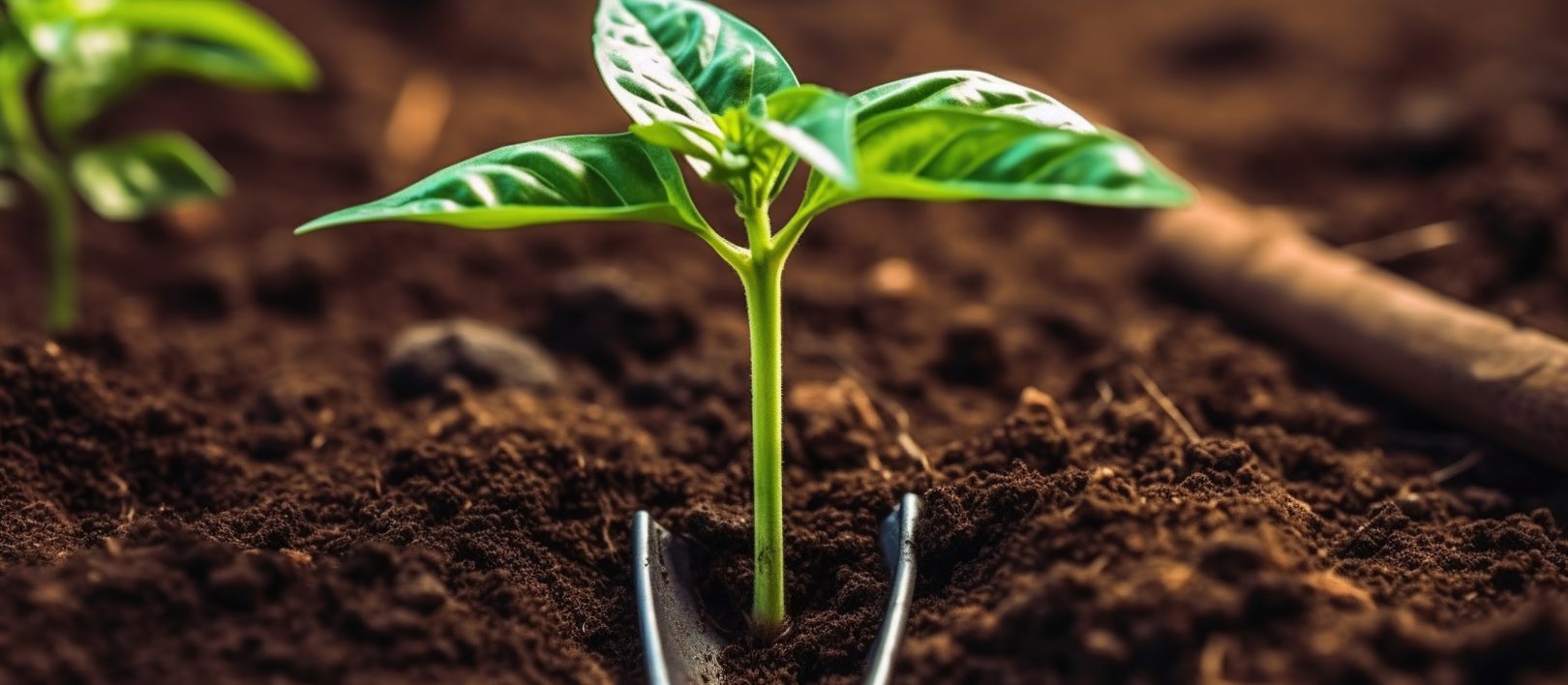
Every Gmelina tree starts as a small, yellow fruit. Inside that fruit is a hard “stone” that holds the seeds.

  • The Trick: These seeds are tough! To help them “wake up,” we soak them in water for a day or two before planting.
  • First Sprouts: Once they are in the ground with plenty of sunlight, you’ll see green shoots popping up in about two weeks.

2. The Great Sprint (The Sapling Stage)

Gmelina is like the sprinter of the tree world. It doesn’t waste any time. In just its first year, a healthy sapling can grow up to 3 meters tall. That’s taller than most ceilings!

  • Taking Care: This is when the tree needs us most. We keep the weeds away so the young tree doesn’t have to fight for food and light.
  • Helping the Earth: As it grows, its wide leaves shade the ground, keeping the soil moist and helping the environment breathe.

3. Coming of Age (Maturity)

While the tree is ready for basic uses like firewood after 5 years, the real magic happens between years 10 and 15.

  • The Wood: By this time, the tree is tall, straight, and strong. The wood is a beautiful pale color, which is why people call it “White Teak.”
  • Why it’s Loved: It’s lightweight but very durable. It’s perfect for making furniture, doors, and even musical instruments because it doesn’t warp or bend easily over time.

4. The “Second Life” (Coppicing)

This is the coolest part about Gmelina for a business like Exploreland Farms. When we harvest a mature tree, we don’t always have to plant a new one.

  • The Comeback: If you cut the tree correctly, the stump will grow new shoots all on its own.
  • Faster Growth: These new shoots grow even faster than the first tree because they already have a massive root system underground to feed them. It’s nature’s way of giving us a head start on the next harvest.

Why Gmelina is a Win for Everyone

FeatureWhy it matters to us
Super Fast GrowthWe don’t have to wait decades to see a return on our hard work.
Strong RootsThey hold the soil together, preventing erosion on the farm.
Grows BackWe can harvest multiple times from one planting, which saves money and labor.
High QualityThe wood is easy for carpenters to work with, making it easy to sell.

At the end of the day, the Gmelina tree is a perfect partner for Exploreland Farms. It works hard, grows fast, and keeps the land healthy, ensuring that our business stays as green and productive as the trees themselves.

Let’s talk about TAXATION for Agro Business: The 5-Year Tax Holiday

As of January 2026, Nigeria has officially transitioned to a modernized fiscal framework. This overhaul aims to simplify the tax landscape and provide strategic support to sectors vital for national food security. For those in the agricultural space, the most significant development is the refined five-year tax holiday.

The Four Pillars of the New Tax Reform

The 2025 Tax Reform Laws provide the structural foundation for this new era. These four acts replace fragmented legacy statutes with a unified system designed for transparency and efficiency.

S/NLegislationPrimary Function
1Joint Revenue Board of Nigeria (Establishment) Act, 2025Establishes a centralized body to coordinate revenue collection across federal, state, and local governments. Its goal is to eliminate jurisdictional overlaps and the “double taxation” often faced by interstate logistics.
2Nigeria Revenue Service (Establishment) Act, 2025Rebrands the FIRS as the Nigeria Revenue Service (NRS). It equips the agency with enhanced technological mandates for digital assessment and collection, moving away from manual, paper-heavy processes.
3Nigeria Tax Administration Act, 2025Standardizes the “rules of engagement.” It streamlines filing deadlines, introduces mandatory e-invoicing, and simplifies the administrative procedures required for small and medium enterprises (SMEs).
4Nigeria Tax Act, 2025Contains the substantive policy changes. It defines tax rates, introduces the Economic Development Tax Incentive (EDTI), and outlines specific exemptions for the agricultural sector.

The 5-Year Tax Holiday: A Strategic Advantage

Under the Nigeria Tax Act, 2025, the government has reinforced its commitment to “Agro-Allied” industrialization. While taxation is generally a cost of doing business, the new laws treat agriculture as a priority sector deserving of a “gestation period.”

1. Total Income Tax Exemption

New companies engaged in primary agricultural production including crop cultivation, livestock rearing, aquaculture, and forestry, are eligible for a 100% income tax exemption for their first five years of operation. This incentive is specifically designed to help businesses survive the high-capital-intensity phase of early-stage farming.

2. The Shift to “Value Addition”

The reform specifically incentivizes Agro-processing. Businesses that move beyond raw harvesting to processing (e.g., turning cocoa into powder or cassava into industrial starch) can unlock additional credits. The goal is to ensure that more of the “value chain” stays within Nigeria.

3. Thresholds and Reinvestment

The 2025 reforms also revised the definition of “Small Companies.”

  • Small Company Status: Businesses with a turnover of ₦100 million or less and fixed assets under ₦250 million are generally taxed at 0%.
  • Medium & Large Companies: For larger agro-enterprises, the 5-year holiday provides the necessary cash flow to reinvest in cold-chain logistics, irrigation technology, and mechanized equipment without the immediate burden of corporate income tax.

Key Compliance Note: While the tax holiday offers a break from paying income tax, it does not exempt a company from filing returns. Under the Nigeria Tax Administration Act, businesses must still submit audited accounts to the NRS to maintain their “Pioneer” or “EDTI” status.

Why this Matters for the Agro-Entrepreneur

In the past, tax incentives were often buried in complex paperwork and opaque criteria. The 2025 reforms have digitized the application process via the NRS portal. For an agro-business, this holiday isn’t just a “discount” it is a capital injection.

By allowing you to keep 100% of your profits for half a decade, the government is essentially co-signing your growth. Whether you are scaling a poultry farm or launching a dairy processing unit, this five-year window is the optimal time to build a robust, tax-resilient foundation.

A Call to Action for the Next Generation of Agro-Entrepreneurs

At Exploreland Farms, we’ve always believed that the soil is Nigeria’s greatest bank account. However, we also know that for many, the fear of “the taxman” and the complexity of starting a business has been a major deterrent. For too long, the barrier to entry felt like a wall.

These 2025 reforms have turned that wall into a bridge.

The 5-year tax holiday is more than just a policy on a page; it is a massive “green light” for every Nigerian who has ever dreamed of owning a farm, a processing plant, or a sustainable estate. It means the government is finally recognizing the sweat and capital it takes to get an agro-business off the ground.

We aren’t just here to grow crops and build homes; we are here to build a community. We want to see more people join us in this sector. Whether you’re a young professional looking for a side-hustle that actually scales, or an investor looking for a legacy project, there has never been a better time to get your hands a little dirty.

The incentives are ready, the digital systems are in place, and the five-year window is open. We’ve already started the journey, and we’d love for you to join us on this side of the fence. Let’s build a food-secure, tax-smart Nigeria together.

The Tree Economy, and why Exploreland Farms is Locked In.

I. The Global Balance Sheet: A Crisis of Carbon and Canopy

The commitment to trees isn’t just about shade; it’s an economic and ecological imperative. Global forests are performing a vital, trillion-dollar service for free, but the system is under extreme pressure.

  • The Carbon Sink: Start with the main metric. Globally, forests currently absorb nearly 16 billion metric tons of carbon dioxide (CO2) per year. This massive absorption in locking carbon into the wood, roots, and soil, is the planet’s most important natural climate defense.
  • The Deficit Challenge: Despite this crucial role, we are dangerously off track. Global deforestation persisted in 2024, falling short of the required 10% annual reduction needed to reach zero-deforestation by 2030. In 2024 alone, the world lost an estimated 27 million hectares of natural forest, equivalent to 10 Gigatonnes (Gt) of C02 emissions—a crisis largely driven by agricultural expansion and fire.
  • The Reforestation Gap: While global forest gain between 2000 and 2020 reached 130 million hectares, the rate of loss significantly outpaced it, resulting in a net decline. We must close this gap between loss and gain. This is the core challenge the “Tree Economy” seeks to address.

II. The Local Dividends: Why Trees Pay the Best Interest

For Exploreland Farms, tree planting is not a cost; it’s a critical investment that generates measurable returns for the farm, the community, and the environment.

A. Climate Resilience & The Cooling Effect

Trees are the most effective local climate adaptation tool.

  • Mitigating Urban Heat: Strategic planting in urbanized and agricultural areas can significantly combat the “urban heat island” effect. Research shows that dense tree canopy cover can lead to local temperature reductions of up to 1.7 ÂşC to 3.6 ÂşC during the hottest parts of the day. This reduces stress on crops, livestock, and people.
  • Shading: This cooling effect is due to two factors: shading and evapotranspiration. Shading alone can reduce road surface temperatures by 10ÂşC to 15ÂşC, protecting infrastructure and making open spaces more livable.

B. The Agricultural Gold Standard: Soil and Water Security

Trees are fundamental to regenerative farming practices.

  • Erosion Control: Tree roots stabilize riverbanks and hillsides, dramatically reducing sediment runoff. Planting trees along farm borders can reduce sediment runoff by up to $90-100\%$ and nutrient loss by $20-80\%$.
  • Water Management: They act as natural sponges, allowing water to infiltrate the ground and recharge aquifers, reducing dependence on irrigation and mitigating flood risk. This is crucial for sustainable water security in the face of changing climate patterns.
  • Soil Fertility: Tree litter and root systems enhance the soil microbiome, increasing organic matter and fertility, which leads to more sustainable crop yields.

III. ExploreLand’s Commitment: Planting for an Ecosystem

ExploreLand Farms is “locked into” the tree economy because we see trees not as a boundary, but as an integrated solution to our development and agricultural goals.

  • The Agroforestry Model: Our focus is on Agroforestry—the deliberate integration of trees with crops and/or livestock. This moves beyond traditional monoculture by creating diversified, climate-resilient microclimates across our land.
  • Intentional Design: Every tree we plant is chosen for its specific environmental and economic function—from native species that support local biodiversity to nitrogen-fixing trees that naturally fertilize the surrounding soil. This intentional approach ensures that our development enhances, rather than degrades, the land.

IV. The Call to Action: Your Role in the Tree Economy

The Tree Economy is built on collective commitment. Whether you are a property owner, a market patron, or an interested community member, your support for ExploreLand translates directly into ecological value.

We are not just selling real estate and produce; we are co-creating a climate-resilient ecosystem where every root, leaf, and branch contributes to the global fight for a healthier planet.

Elara and the Magic Carrot

The problem was simple: everything tasted boring!

Elara was a city girl. Her life was orderly, but her food was gray. Dinners came from boxes with happy lies on the labels. One day, she got a box from somewhere new. Inside was a single carrot. It was the color of a real sunset; deep, bright orange.

Gunning for the first taste, Elara washed the carrot. No oil. No funny stuff. She took a bite. CRUNCH! It was a shock. It tasted like cold dirt and hot sun. But the weirdest thing? Elara saw a flash. A quick memory, but not hers. She saw a hand gently pulling the carrot from the soil. She felt the cool morning air. She heard a stream nearby. It was a perfect, small movie of the birth of the beautiful carrot she was busy screwing in her mouth.

This was a Magic Carrot. It was so fresh, it held the memory exact moment it was picked in every bite.5

Here Is The Missing Story

Elara ate more from this box. The lettuce tasted of water and spice, not plastic. The tomatoes were heavy and real. Every bite gave her a quick, clear farm memory. This was the traceability system in action. She finally knew what was missing from her old food: Life. Store-bought food was empty because its long trip had stolen its story, and its goodness. The nutrients had simply vanished.

The Magic Carrot came with a small card. It had a code and this message: “Picked 48 hours ago from the Molete Field in Ibadan. Traveled 142 miles. We hope you enjoy every bite.

Finding Health

Elara scanned the code. Her phone showed a file: the soil type, the water source, even a photo of the farmer, Maeve. This was not a sales pitch; it was the whole truth.

Elara finally understood: Wellness comes from knowing the truth about our food. Eating the Magic Carrot was more than just getting vitamins; it was feeling sure about what she ate. She knew it was clean, fast, and packed with nutrients because the farm showed her everything.

She felt better right away. The city still looked gray, but her plate was bright. She wasn’t just eating; she was connecting herself to the sun and the earth.

From Farm to You: The Real Taste

Elara’s story, though strange, shows a clear truth: food loses its flavor and health benefits when it travels too far.

At Exploreland Farms, we hope that one day, we make sure the moment of harvest comes straight to your plate, keeping the intense freshness that Elara discovered active and fresh in your mind as well. We believe in a world where wellness food system builds with traceability system at the back of their minds, acting like the truth-teller, confirming the clean quality, fast trip, and good farming behind every vegetable and food coming out of their farm.

When you can see the soil, know the farmer, and track the miles, you choose real health. You make sure your food is not just a copy, but the Magic Truth itself.

Stay healthy and stay fresh.

Green Architecture: Designing Homes That Breathe Nature and Peace.

The way we build and live in our homes has a profound impact on the planet. From the energy required for heating and cooling to the materials used in construction, the traditional housing model often places a significant burden on natural resources. Green Architecture, also known as eco-architecture or sustainable building, offers a vital alternative; a design philosophy focused on creating homes that are not only comfortable and durable but also inherently in harmony with the environment.

The shift toward sustainable building is not just an ideal, it is a measurable solution that is already impacting the planet positively. Globally, the building sector accounts for approximately 30% of final energy consumption and a quarter of total energy-related emissions. The good news is that green building practices offer a massive opportunity for change:

  • Carbon Reduction: Green buildings, particularly those that are LEED-certified, have demonstrated a significant 34% reduction in carbon dioxide emissions compared to conventional buildings.
  • Energy Savings: These eco-friendly structures can achieve up to 25% less energy consumption through methods like superior insulation and passive design.
  • Resource Conservation: They also typically use 11% less water, easing the strain on vital shared resources.

These statistics offer a powerful, encouraging outlook, demonstrating that scaling up sustainable construction is one of the most effective ways to combat climate change and ensure the planet’s survival.

The Core Principles of Eco-Architecture

Green architecture is about maximizing efficiency and minimizing negative environmental impact throughout a building’s entire lifecycle; from planning and construction to operation and eventual demolition. The core principles guide designers in creating structures that are resource-efficient and healthier for their occupants.

Energy Efficiency & Passive Design: This is often the most critical element. Instead of relying heavily on mechanical heating and cooling, designers use passive design strategies. This involves: Optimal Orientation, positioning the house to maximize sunlight for natural heat and light in cooler seasons, and to minimize direct sun exposure in warmer months; High-Performance Envelope, using superior insulation, airtight construction, and energy-efficient windows (like double or triple glazing) to regulate interior temperature and reduce energy loss; Natural Ventilation, strategically placing windows and vents to encourage cross-breezes and circulate fresh air, reducing the need for air conditioning; and Renewable Energy Integration, incorporating systems like solar panels (photovoltaic and thermal) and geothermal heat pumps to generate clean energy on-site.

Sustainable Materials: The selection of building materials is key to reducing a home’s “embodied carbon” (the emissions associated with material extraction, manufacture, and transport). Priority is given to: Locally Sourced Materials, reducing transportation emissions; Recycled/Reclaimed Content, using materials like reclaimed wood or recycled steel; and Renewable or Low-Impact Materials, opting for products like bamboo, natural stone, or non-toxic finishes with low volatile organic compound (VOC) emissions for better Indoor Air Quality.

Water Conservation: Sustainable homes treat water as a precious resource by integrating systems such as: Low-Flow Fixtures, reducing water use in toilets, showers, and faucets; Rainwater Harvesting, collecting and storing rainwater for non-potable uses like irrigation or flushing toilets; and Greywater Recycling, reusing gently used water from sinks and showers for landscaping purposes.

Exploreland Farms: A Model for Sustainable Living

Image Not Found

The movement toward sustainable housing is gaining momentum globally, and Exploreland Farms is uniquely positioned to lead this charge potentially, particularly with our focus on blending nature and comfortable living. Our emphasis on sustainability, community engagement, and environmental stewardship aligns perfectly with the tenets of eco-architecture.

To illustrate this potential, we can look to successful global models. A prime example is Organo Naandi in Hyderabad, India, a 33-acre eco-habitat that implements a holistic and successful approach to sustainable living. This project demonstrates how large-scale developments can aim for net-zero emissions and achieve water security through meticulous resource management. Crucially, Organo Naandi dedicates approximately 50% of its land to farming, trees, and plantations. This active agriculture allows the community to utilize all composted waste from the houses, effectively creating a closed-loop system for waste and nutrient recycling.

Our existing commitment to ethical sourcing and sustainable agro-forestry provides a ready-made platform for green building integration:

  • Local and Renewable Resources: By prioritizing our commitment to sustainable agro-forestry, we can leverage our own land and expertise to source sustainable timber or other natural, locally abundant materials for construction. This dramatically cuts down the embodied carbon footprint associated with long-distance material transport, or better still look for sustainable transport alternative.
  • Integrating Housing and Farming: The concept of “Urban Farming Architecture,” which merges housing with food production spaces is a powerful model we are potentially going to roll out. Designing homes with integrated urban farming zones, such as rooftop gardens or communal farming courtyards, transforms residences into self-sufficient ecosystems, reducing “food miles” and fostering a strong sense of community around sustainable practice.
  • Holistic Site Planning: Rather than simply placing buildings on land, we can use our environmental stewardship focus to ensure that new developments enhance biodiversity and restore natural habitats. This involves thoughtful site orientation to utilize natural elements (sun, wind, shade) and the use of native, drought-resistant plants for landscaping.

Impact on Planetary Sustainability

The potential for organizations like Exploreland Farms to scale up green architecture has a direct and significant impact on global sustainability. Buildings account for a massive portion of the world’s energy and resource consumption.

  • Mitigating Climate Change: By radically cutting energy consumption and integrating renewable energy, sustainable homes drastically reduce greenhouse gas emissions, helping to keep global temperatures in check.
  • Conserving Resources: Efficient material use, waste reduction, and water conservation practices alleviate the strain on natural ecosystems, preserving precious resources for future generations.
  • Promoting Health and Well-being: Sustainable homes, with their focus on natural light, non-toxic materials, and improved air quality, create healthier, more resilient living spaces that contribute positively to the well-being of residents.

By embracing and innovating within the field of green architecture, we are potentially going to become a powerful example of how modern housing can evolve from being a drain on the environment to an integral, life-breathing part of the natural world, ultimately contributing to a more sustainable future for the planet.

The Rise of Eco-Tourism is Safe for the Planet

The world is shifting. We’ve spent decades chasing bigger, faster, and more luxurious, but today, something essential is calling us back: connection, authenticity, and peace.

We are now living in an era where the quest for profound, high-value experiences is not a niche desire, but a guiding principle for life. The data confirms this deeply human shift: 78% of affluent travelers prioritize experiences over material possessions, and 65% are actively seeking meaningful adventure in remote, untouched settings. They aren’t just looking for a holiday; they are looking for a sanctuary.

A World We Build Together: The Exploreland Promise

How do we design a future where travel is personal, profound, and perfectly private? How do we move away from just “selling rooms” to offering meaningful adventure and true, sustainable refuge?

This is the purpose of Exploreland.

We believe we are all saddled with the responsibility of creating the world’s most serene and adventurous natural environments across Africa and beyond. Our destinations are specifically curated to appeal to the individual who values peace, presence, and purpose, while still making their safety and well-being paramount.

It is about more than just a beautiful trip. It’s about securing a safe planet for the generations to come. We all want our children to grow up knowing we prepared a world safe enough for them to live, breathe, and bask in. Exploreland Farms stands as a testament to this commitment—a place where sustainable living isn’t a theory, but the blueprint.

The Experience That Feeds the Soul

Take a moment to truly imagine this…

The Sound of Silence: Waking up in a low-impact villa hidden deep within a forested African valley. The only sound is the gentle rustle of leaves, distant bird calls, and subtle chirps of life coming awake. This is your sanctuary.

Wellness over Schedule: Your days are structured around personal wellness, not rigid schedules. Perhaps an early morning yoga session overlooking the vast landscape, followed by a chef-prepared meal using only hyper-local, farm-fresh ingredients. The focus here is a deep digital detox, total relaxation, and a mindful reconnection with the self.

Adventure with a Conscience: Unlike crowded tourist routes, your adventures at Exploreland are low-density, highly customized, and led by expert local guides who are profoundly eco-conscious. Think private, quiet kayaking through protected coastal mangroves, tracking rare species on foot in a vast African preserve, or navigating bespoke mountain biking trails with zero outside traffic. Every thrill is shared only with nature and your chosen few.

An Invitation to a Lasting Legacy

We believe we can make the world a better place through actions—small, medium, and big—from you and me. Exploreland is not just a destination; it’s a movement. This is a call to take a conscious, decisive effort toward a sustainable future where generations will look back and remember you for your foresight and commitment.

Welcome to the Exploreland Farms way.

This is How We Are Combining Nature with Real Estate.

It is no longer news that cities are constantly expanding while green spaces keep shrinking. According to a study with the aim of assessing the impacts of future urban expansion on natural habitats, the global urban population is expected to increase by an additional 2.5 billion over the next 30 years, and to accommodate this growth, urban land area is projected to increase significantly, by an estimated 280,000 to 490,000 square kilometers between 2016 and 2050.

Our mission at Exploreland Farms is proving that growth doesn’t have to come at the cost of nature. We are rewriting the story of land use by bridging two powerful industries; Agriculture and Real Estate, into a single vision of sustainability, community, and long-term value.

Lands shouldn’t just be seen as property; it’s a living, breathing ecosystem with the power to sustain life, create wealth, and inspire peace or vitality. While many developers clear vast areas for construction, we ask a different question: How can we preserve while building?

This is a mindset that has birthed a model that integrates eco-friendly real estate development with productive agroforestry practices, a system where homes, trees, and farms coexist in harmony.

Now this is it…

Imagine waking up to the sounds of birds instead of traffic. Picture your morning coffee brewed with fresh and healthy milked milk – yikes… just a few steps from your doorstep. That’s the Exploreland Farms way. One that blends modern living with the calm and richness of nature.

Our project at Exploreland Farms creates green communities that don’t just provide shelter, but also offer a connection to the land, where every plot has a purpose, and every development adds life back to the environment. 

Can we achieve Net Zero?

Achieving global net zero emissions is technically and economically feasible, but requires immediate, drastic, and coordinated action across technological, economic, political, and social dimensions.

Tackling the social dimension through communities and individual projects we’re engaged in, our approach is rooted in afforestation, sustainability, and smart land use that serves the immediate community, then the world in the nearest future. Our projects are carefully planned to ensure real estate investors and homeowners enjoy modern amenities, while the lands continue to thrive green-wise.

We promote tree planting, agroforestry systems, and eco-conscious construction, turning what could have been concrete jungles into living, breathing green communities. It’s a blend of profit and purpose; proving that environmental responsibility and economic growth can work together.

Conclusion: Beyond the Fields, Building the Future

Exploreland Farms’ long-term vision reaches beyond today’s developments. We are laying the groundwork for eco-communities where sustainable agriculture, renewable energy, and responsible housing intersect.

This is not just about selling land; it’s about building a legacy, one that future generations will inherit with pride, not pollution.

Join a movement challenging how we think about growth, wealth, and sustainability. By merging the heart of farming with the innovation of real estate, we are showing the world that the future of development doesn’t have to come at nature’s expense.

It’s time to look beyond the fields and see what’s possible when we build with nature in mind, and not against mother nature that has kept the planet safe for generations.

Growing a Greener Tomorrow: Our Heart for Sustainable Forestry

Beyond trees, we see life, a legacy, and a promise to the future. Our work is driven by a simple, heartfelt belief: that we can grow the resources we need while actively helping our planet thrive. This is the art of sustainable forestry, a fusion of productivity and deep respect for nature.

Getting Our Hands Dirty: Planting Hope

The journey starts with us getting our hands dirty. We’re not just logging; we’re actively and enthusiastically restoring the land. Reforestation is the soul of our operation, a commitment we fulfill with every seedling we tuck into the earth. It’s a powerful cycle: for every tree we responsibly harvest, we ensure the next generation is already growing strong and healthy.

A huge part of our focus is on the Gmelina tree. Think of it as our superstar for afforestation; planting a brand new forest where one didn’t exist before. Gmelina grows quickly, breathes in a lot of carbon, and gives us the high-quality wood we need. By dedicating ourselves to its cultivation, we’re not just planting a commodity; we’re planting hope and building a robust, resilient future forest, one tree at a time.

A National Asset: The Data Behind Gmelina’s Promise in Nigeria

Our choice of the Gmelina tree for afforestation isn’t just based on a hunch; it’s backed by hard data right here in Nigeria. The performance of this tree species is nothing short of exceptional, which is why it forms the engine of our sustainable growth model.

Look at the numbers that confirm our commitment:

  1. Explosive Growth: Studies across Nigerian forests show Gmelina’s astonishing productivity. Plantations like ours are yielding a Mean Annual Increment (MAI) of up to 51 cubic meters of wood per hectare per year. That’s over ten times the yield of typical natural tropical forests in the region! This rapid growth rate means a faster supply of sustainable timber, allowing us to ease pressure on existing native forests.
  2. A Climate Warrior: Beyond the timber, Gmelina is a powerhouse for the planet. Data shows that this dedicated species can absorb an estimated 20 tons of CO2 per hectare annually. By expanding our Gmelina plantations, we are actively turning vast tracts of land into efficient, large-scale carbon sinks; a vital service in Nigeria’s climate change strategy.
  3. Proven Scale: The impact is already national. With over 112,000 hectares of land in Nigeria previously dedicated to Gmelina plantations, we are part of a proven, widespread success story. This scale demonstrates that Gmelina is a reliable, high-performing asset for both economic growth and national re-greening efforts.

This data assures us that our work at Exploreland Farms is not just eco-friendly, but an economically sensible path to a greener, more timber-rich Nigeria.

The Exploreland Experience: More Than Just Wood

In the long run, our approach is all about eco-forestry; a human-centered way of interacting with the wild. Our commitment to eco-friendly practices means you can trust that our forests will continue to flourish long after we are gone.

Whether you’re looking for the quality assurance of our sustainable timber or you simply want to walk through the peaceful shade of our trees on an eco-tourism visit, you can be a part of the Exploreland Farms in the future. youu’d be supporting a vision where people and planet don’t just coexist, but thrive together.

We are the stewards of this green legacy, and we’d love for you to join us on this journey.

What aspect of our work sounds most interesting to you; our Gmelina afforestation goals or the experience of eco-tourism? Leave a comment in the comment section below.

Farm-to-Table Luxury: How Exploreland Markets Brings Freshness to Your Doorstep.

When you take a bite of a tomato freshly plucked from the vine, you can taste more than flavor; you taste life itself.

At Exploreland Markets, that’s exactly what we want every meal to feel like: real, fresh, and full of life.

As an avid agricultural and greenlife explorer, we often talk about soil health, yields, and sustainability metrics. But when it comes to Exploreland Markets, the story isn’t about numbers; it’s about a feeling. The sheer joy of eating food that tastes exactly as nature intended, delivered by a brand that truly cares.

In a fast-paced world, what we truly crave is a connection: to the earth, to our health, and to the people who grow our food. Exploreland Markets isn’t just a store; it’s the warm handshake between the devoted farmer and your kitchen table.

Let’s take you back to where it all began…

For years, Exploreland Farms has been nurturing the dream of greener living, blending agroforestry, sustainability, and real estate into a lifestyle that respects both people and the planet.

From that same vision, Exploreland Markets was born; a natural next step that connects the farm directly to your home.

It’s not just about selling food; it’s about bringing the farm experience closer to families, making it easy to eat fresh, live healthy, and enjoy the beauty of nature’s best.

We saw a growing problem where people were eating more processed food, while farms producing fresh, honest produce were struggling to reach consumers, and we decided to bridge that gap.

That’s how Exploreland Markets began: a simple idea with a powerful mission; to make freshness a daily reality.

From Our Soil to Your Soul: The Exploreland Difference

The secret to the premium difference lies at Exploreland Farms, the heart of the operation. This isn’t mass-production; it’s a living, breathing model of eco-living where everything is done with intention.

Imagine a farmer who sees their land not as acreage, but as a legacy. That’s the Exploreland way. They practice responsible land stewardship and reforestation, ensuring the land is healthier after a harvest than it was before. This commitment is the meticulous growth of farm produce like our pepper and every crisp vegetable, healthy beef products, etc.

Your Kitchen, Reconnected

Exploreland Markets is more than a shopping experience; it’s a promise to your family. It’s the brand that allows you to be a conscious consumer without sacrificing convenience or quality.

Products That Still Has Its Spark

We all know the disappointment of tasteless, tired products. Exploreland Farms solves this by making the journey from the field to your shopping bag incredibly short. Their fresh vegetables and products are often harvested just yards from the Markets, meaning they retain their maximum nutrients and vibrant flavour. When you bite into our tomato, you’re not just eating a fruit; you’re tasting the sunshine and the rich, clean soil it grew in.

Luxury Is Peace of Mind

Today’s real luxury isn’t about excess; it’s about trust and transparency. When you place an Exploreland Farms’ product in your cart, you gain:

  1. A Clean Conscience: You are actively supporting a Nigerian enterprise dedicated to environmental healing and ethical practices.
  2. Health Certainty: You know your family is consuming food that is responsibly sourced and free from unnecessary compromises.
  3. Community Connection: You are empowering the local farmers and communities who are the true caretakers of the land.

Exploreland Markets is redefining what it means to live well. It’s a beautiful, sustainable, and delicious rhythm of life that brings the quiet strength of the earth right into the bustle of your modern home.

This is How Exploreland is Changing the Way We Live

Compare