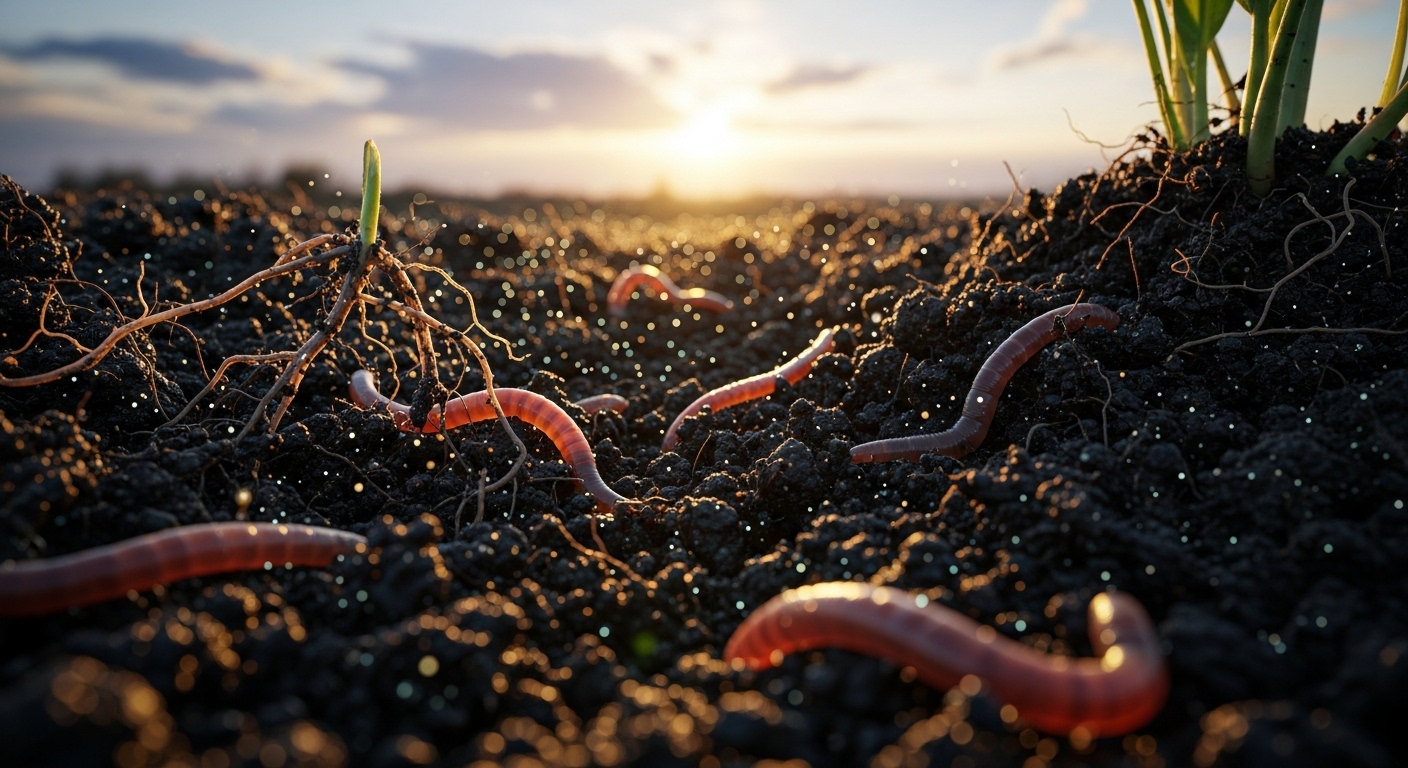
Musa stands in his field in Kano, surrounded by what he calls “red gold.” It is harvest season, and his three-hectare farm is a sea of vibrant, ripe tomatoes. But Musa isn’t smiling.
The truck that was supposed to take his crop to the city broke down two days ago on a potholed road. Under the unforgiving sun, the “gold” is turning into a mushy, fermented mess. That evening, Musa walks to the local kiosk to buy dinner ingredients. He hands over a few Naira notes for a small silver sachet of tomato paste. He glances at the fine print on the back: “Made in China.”
This is the Nigerian paradox in a single transaction. We have the soil, the seeds, and the sweat, yet our kitchens are fueled by factories thousands of miles away.
The 2026 Snapshot: Relief at the Table, Crisis in the Field
As of February 2026, Nigeria has reached a milestone: food inflation dropped to 8.89%, a 14-year low that has provided much-needed breathing space for households. However, this stability is a double-edged sword. While prices are lower, the gap between what we grow and what we process into “finished products” has actually widened.
According to the latest 2025/2026 projections, Nigeria’s grain imports (wheat, rice, and corn) are expected to surge to 10.1 million metric tons, a 10% increase from the previous year. We are feeding ourselves, but we are doing it with other people’s factories.
1. The “40% Spoilage” Tax
Nigeria doesn’t have a production problem; it has a preservation problem. For perishable crops like Musa’s tomatoes, the statistics are staggering. Current 2025 data estimates post-harvest losses for tomatoes at 65%.
- The Breakdown: 40% is lost during harvesting and handling, 10 – 20% during transportation on rough roads, and another 5–15% during storage.
- The Financial Toll: Experts estimate that Nigeria loses between $9 billion and $10 billion in agricultural produce annually to wastage. This “leak” in the bucket is why local processors struggle to stay in business; they can’t get enough consistent, fresh raw material to compete with massive, streamlined exporters from abroad.
2. The “Diesel and Darkness” Factor
Even when the produce makes it to the factory, the “factory gate” economics are brutal.
- The Starch Paradox: In early 2025, a ton of imported corn starch sold for roughly ₦800,000 due to zero-duty import waivers. Meanwhile, local cassava starch the “white gold” Nigeria is the world leader in producing; was selling for between ₦1.1 million and ₦1.2 million.
- The Result: Because local factories must run on expensive diesel and maintain their own infrastructure, their finished products are often priced out of the market. This led to a massive cassava glut in late 2025, where the price of a pickup van of cassava crashed from ₦500,000 to just ₦80,000 because industrial buyers found it cheaper to import.
3. The Palm Oil Deficit
Palm oil offers another striking example of the processing gap. As of 2026, Nigeria’s palm oil production has risen to 1.57 million tonnes, but our domestic demand has soared to 2.61 million tonnes.
“The gap we see is not just a trade statistic,” says Izzanah Salleh of the Council of Palm Oil Producing Countries. “It represents foreign exchange outflow and untapped agro-industrial potential.”
Comparison: Raw vs. Finished (2025/2026 Estimates)
| Product | Local Production Status | Finished Product Reality | Key Bottleneck |
| Wheat | 135,000 MT produced | 6.7 million MT imported | 97% of consumption is imported. |
| Tomatoes | 3.6 million MT produced | 85% of paste is imported | 65% post-harvest loss. |
| Palm Oil | 1.57 million MT produced | 1.04 million MT deficit | Refining capacity vs. demand. |
| Cassava | World’s #1 producer | Imports of industrial starch | High local energy/processing costs. |
The Silver Lining: Building the “Industrial Islands”
The solution being scaled in 2026 is the Special Agro-Industrial Processing Zones (SAPZ). This is a $538 million initiative currently being implemented in seven states: Cross River, Imo, Kaduna, Kano, Kwara, Ogun, and Oyo, plus the FCT.
The goal is to create “islands” of infrastructure where power, water, and roads are guaranteed. By building Agricultural Transformation Centers (ATCs) directly in rural clusters, the goal is to process Musa’s tomatoes within hours of harvest, turning “red gold” into paste before it has a chance to rot.
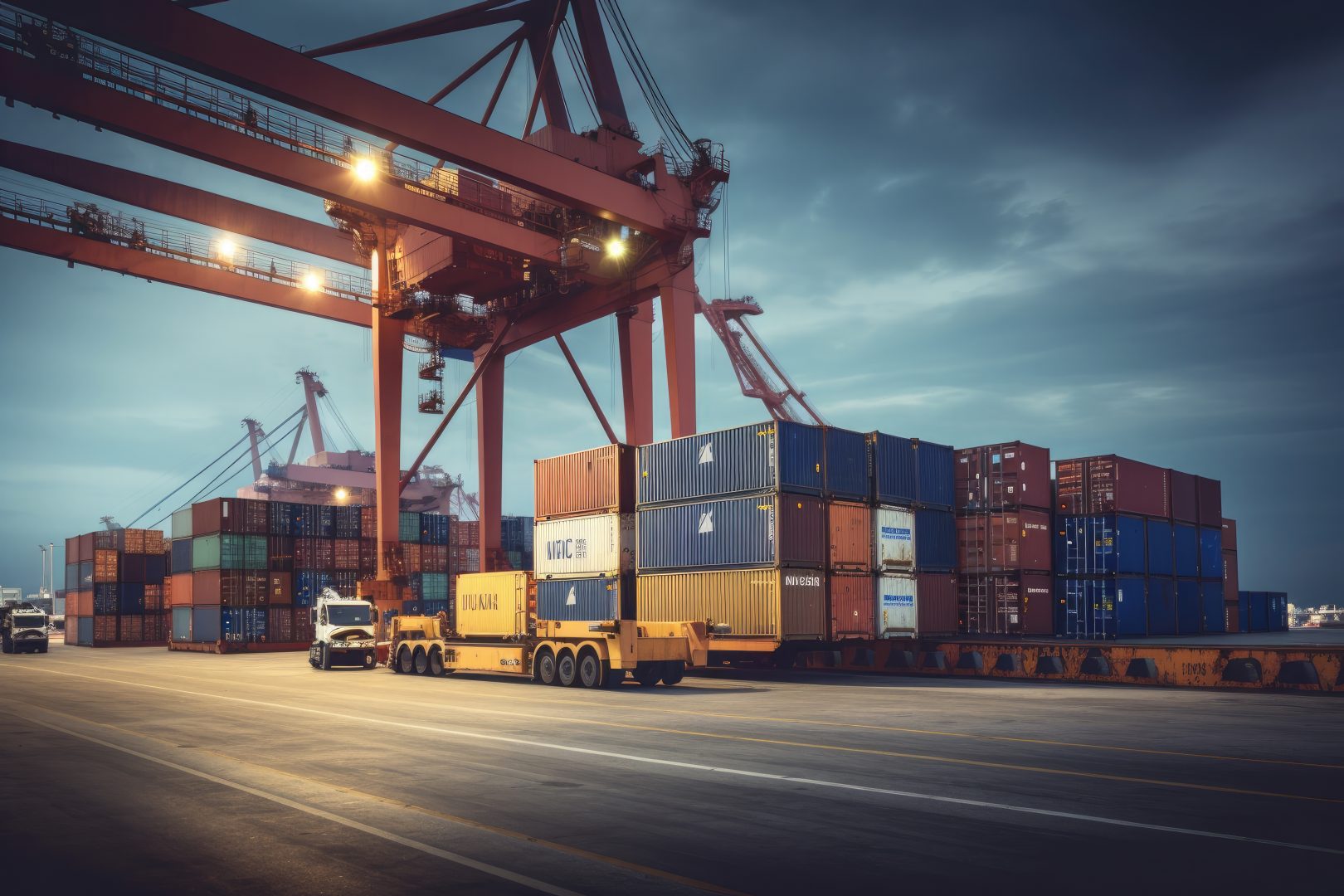
The “Finished Product” gap won’t close until it is cheaper to run a factory in Kaduna, Ogun or any other state in the country with rich agricultural presence than it is to sail a container from Shanghai. Until then, the Nigerian farmer remains the world’s hardest-working provider of raw materials for someone else’s profit.